

-
Botanic Park Information
Botanic Park Information
- Seoul Botanic Park Tour
- Announcements
-
Cultural Events/Activities
Cultural Events/Activities
- About Organization
Botanic Park Information
Seoul Botanic Park Tour
Cultural Events/Activities

Seoul Botanic Park Tour
Botanic Garden
Botanic Garden
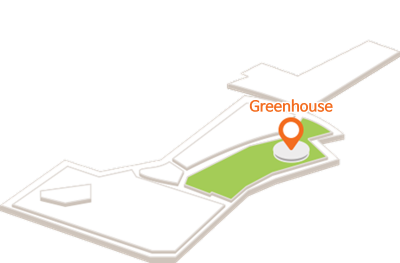
The Botanic Garden consists of an outdoor garden that recreates a traditional Korean garden using native plants, and a greenhouse showcasing plants from 12 cities across tropical and Mediterranean regions. You can also find Children's Garden School and Magok Cultural Hall (former drainage pump station), which is designated as a Registered Cultural Heritage of Seoul Metropolitan Government.
Main Facilities
Botanic Center, Children’s Garden School, Magok Culture Hall (Drainage Pumping Station of the Former Yangcheon Irrigation Association, Seoul)
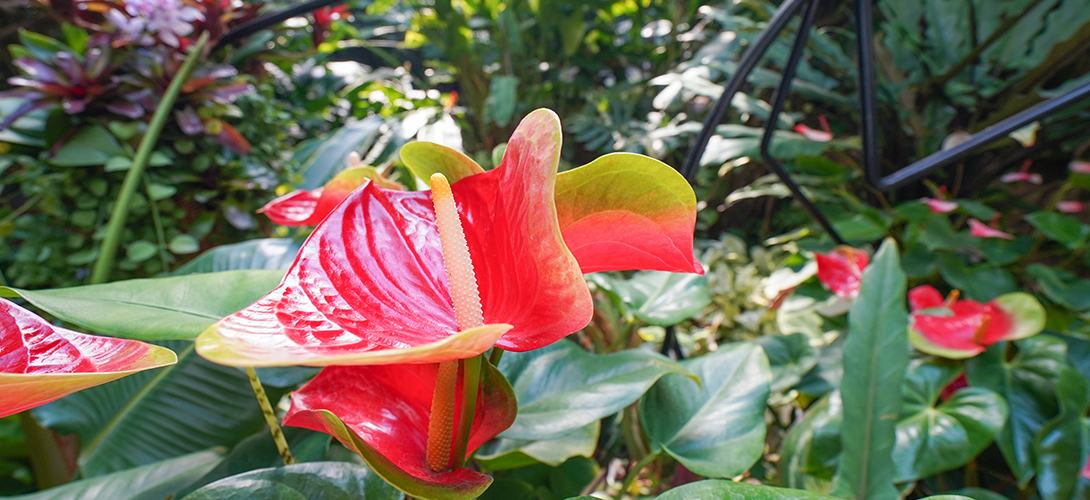
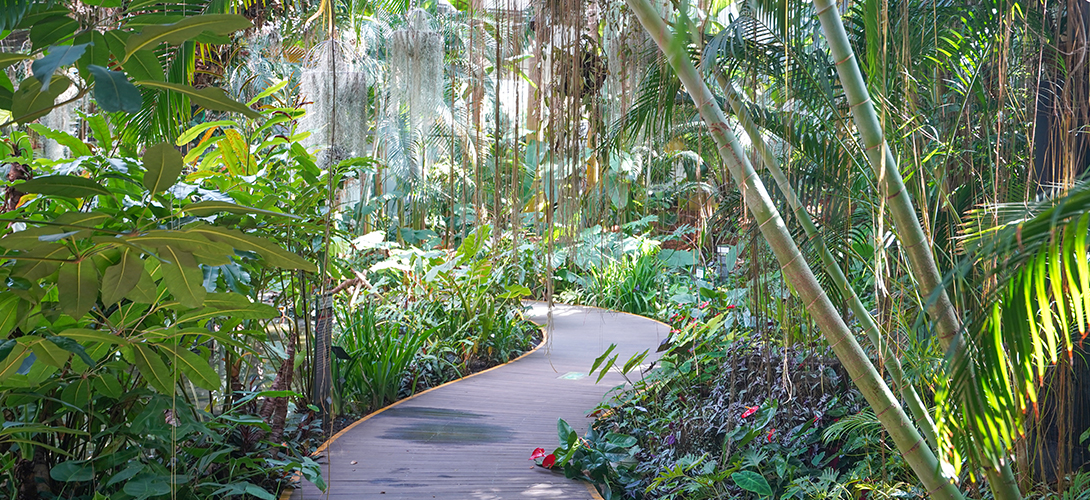
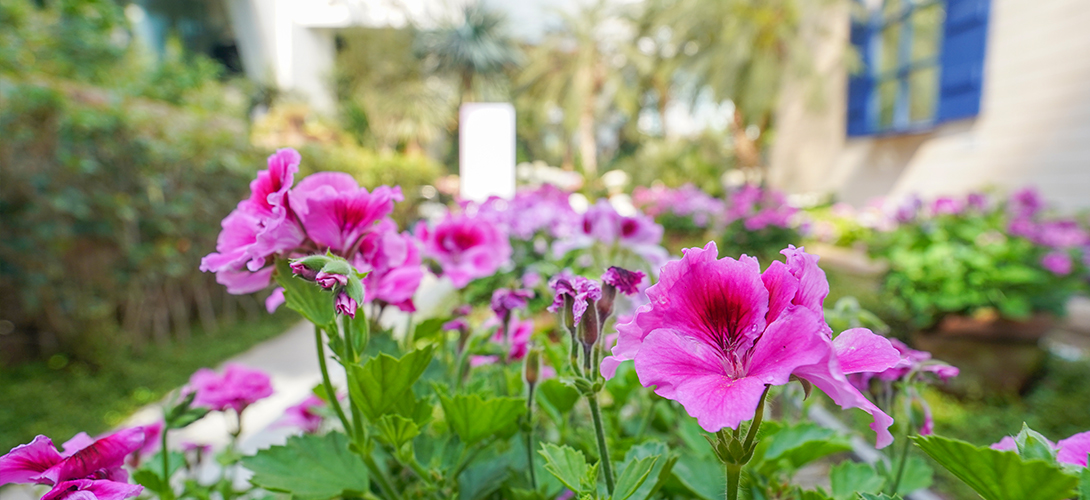
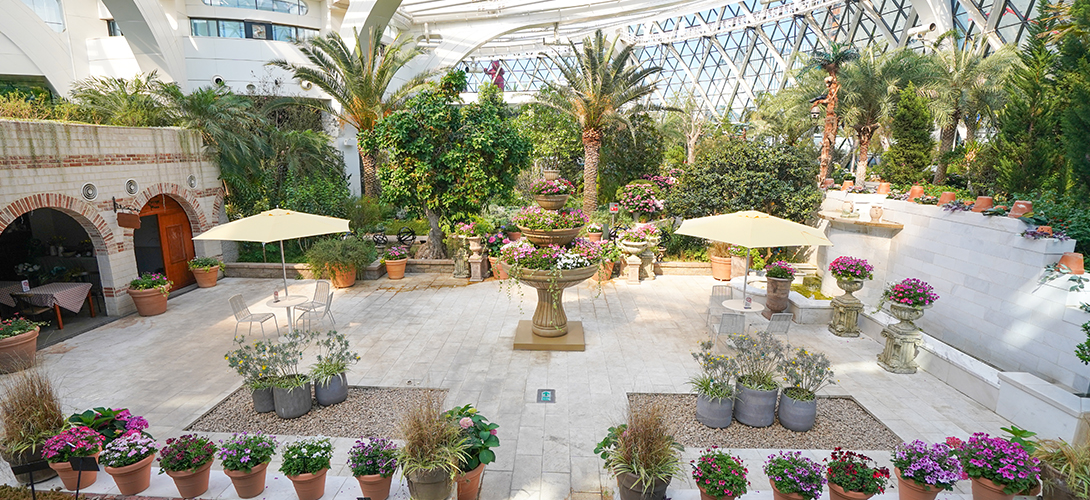

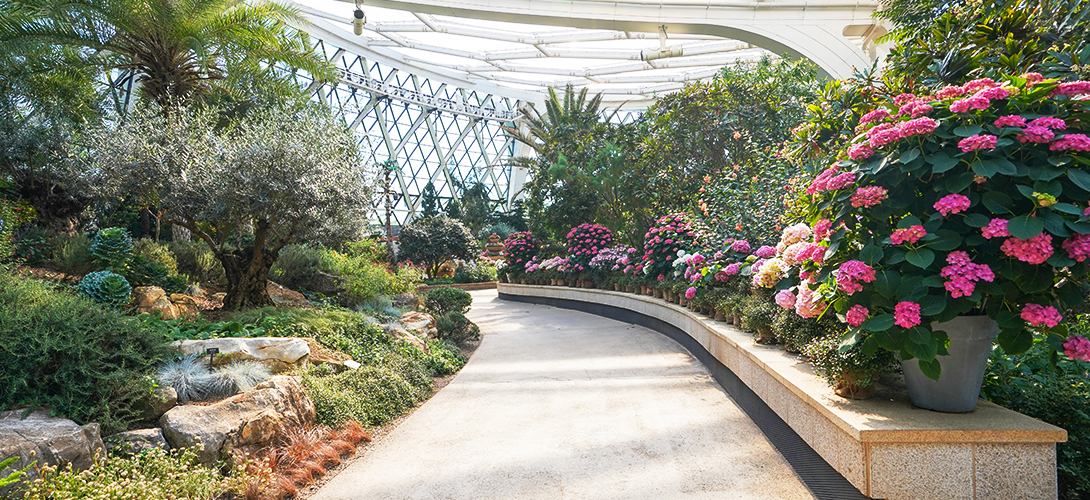
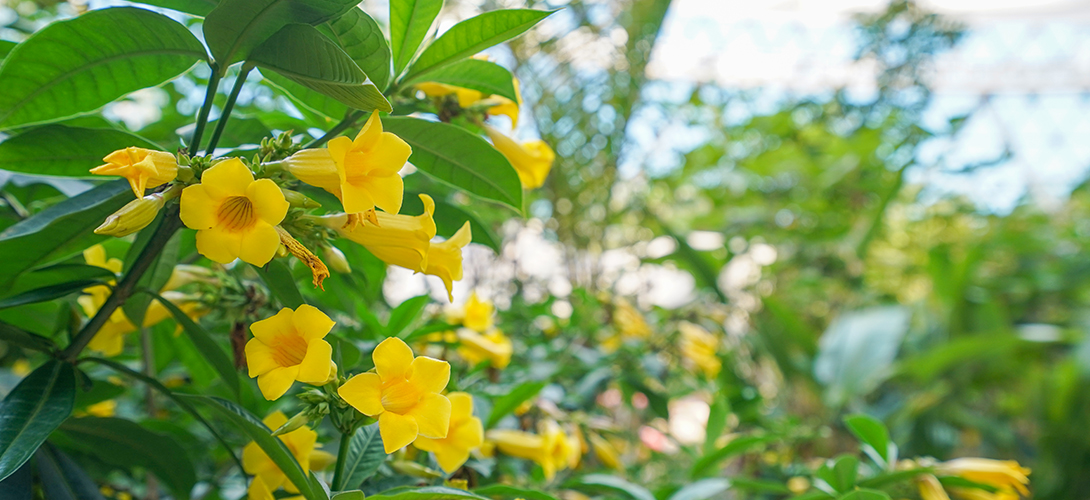
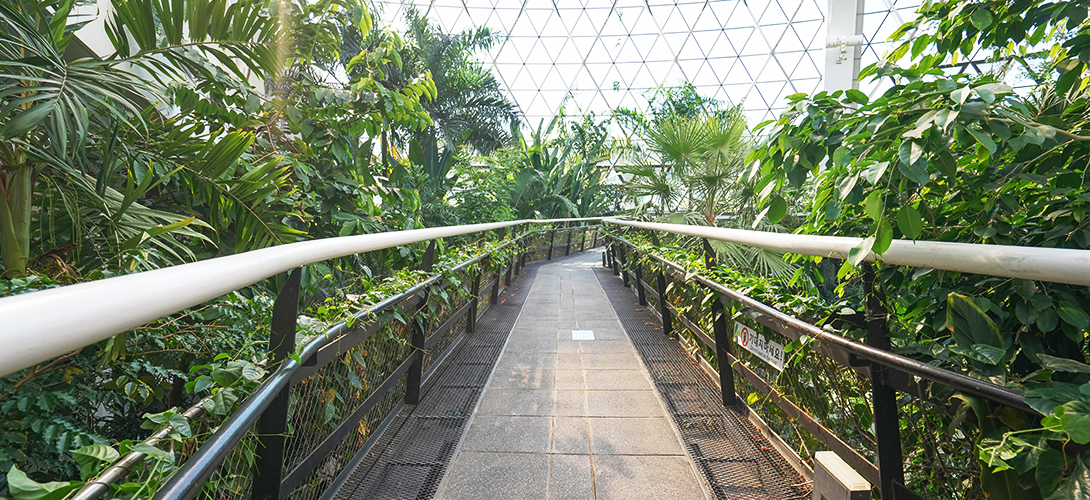
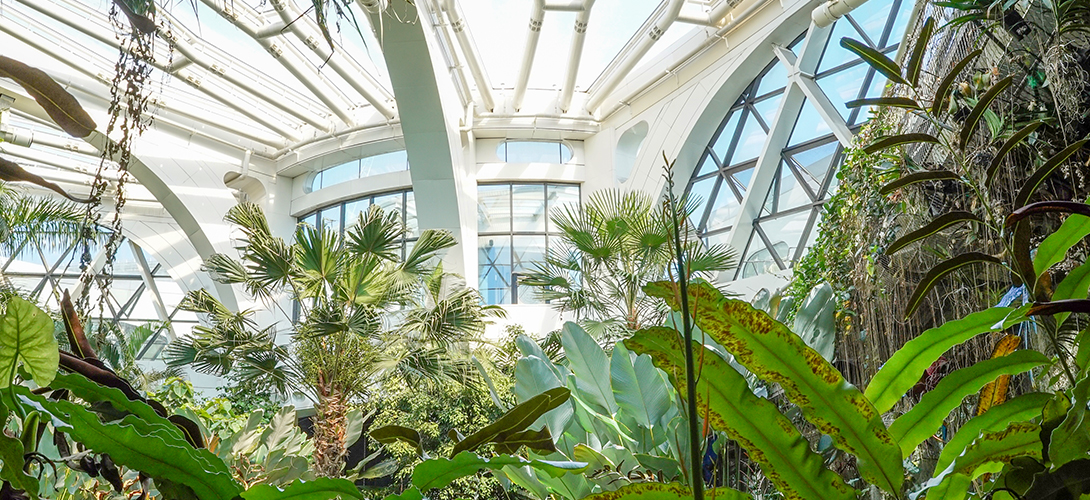

Enjoy the gardens of 12 cities around the world that have developed unique plant cultures shaped by Mediterranean and tropical climates.
-
Tropical
Regions near the equator with average monthly temperature above 18°C, where half of the world’s biological species are distributed. Depending on precipitation, tropical areas are categorized as tropical rainforest, tropical monsoon, savanna, or tropical dry-summer climates.-
Hanoi (Vietnam)
Vietnam lies at the heart of Southeast Asia, bordering China, Laos, and Cambodia. The northern region has a tropical monsoon climate with four seasons, but the southern region has a tropical climate with distinct dry and rainy seasons. Red River (Sông Hồng) in the north and Mekong River (Sông Mê Kông) in the south form Vietnam's major river systems. Three-quarters of the land are sloping hills, with the complex terrain resulting in diverse climatic conditions. Extensive coastal zones and thousands of islands contribute to rich forest cover and exceptionally high biodiversity.
-
Jakarta (Indonesia)
Made up of more than 17,000 small and large islands along the equator, Indonesia has a tropical climate with dry and rainy seasons and volcanic climate zones. Regions adjacent to Australia are unique with a blend of diverse biota. Indonesia is one of the world's most biodiverse countries due to its magnificent natural environment as well as diverse topography including tropical rainforests, savannas, highlands, swamps, and coastal areas. It is home to the world’s largest mangrove forests and host to rare endemic plants such as Nepenthes, Titan Arum, and Rafflesia.
-
Sao Paulo (Brazil)
Brazil is the largest country in South America, covering 50% of the continent. Eight major rivers including Amazon River flow through the country. The Pantanal wetland, the world's largest freshwater wetland, holds 20% of the world's fresh water. Most of the country belongs to the tropical climate zone, with the area south of São Paulo falling within the temperate climate zone. The Amazon rainforest, known as the "Lungs of the Earth," is home to about 10% of the planet's flora and fauna; it is believed that many plants have yet to be discovered there.
-
Bogota (Colombia)
Colombia is located near the equator northwest of the South American continent, deriving its name from Christopher Columbus who discovered the continent. Situated in the Intertropical Convergence Zone (ITCZ) affected by trade winds, it exhibits the characteristics of a tropical climate with high rainfall. Most major cities are located in the high-altitude regions of the Andes Mountains. It is composed of diverse regions including the Amazon rainforest, tropical grasslands, and tropical deserts, bordering the Pacific Ocean and the Caribbean Sea. It is home to 10% of the world's biological species, holding the largest number of endemic species globally.
-
Hanoi (Vietnam)
-
Mediterranean
This is a region where summers are typically dry with little cloud cover and high temperatures but winters are mild with high rainfall. Thanks to abundant sunshine in summer, crops such as grapes, olives, and cork are cultivated.-
Barcelona (Spain)
Spain is located on the Iberian Peninsula in Southwestern Europe, facing Andorra and France to the north and Portugal to the west. Roughly one-third of the country is mountainous highlands. Most regions of Spain have a Mediterranean climate with hot and clear summers, with the northern regions covered with deciduous forests and grasslands. The northern plateau with large temperature variations mainly produces grains. On the other hand, the southern region of Andalusia with its fertile land has historically cultivated plants such as grapes, oranges, and olives.
-
San Francisco (USA)
San Francisco is the 14th-largest city in the United States, hosting plant species ranging from alpine to desert varieties. The climate is temperate throughout the year due to the influence of warm ocean currents. It is home to the 111-meter-tall Sequoia and General Sherman Tree, the world's largest by volume. California poppies, the state’s floral emblem, grow abundantly in desert regions.
-
Rome (Italy)
Italy is a peninsula nation extending in the shape of a long boot toward the Mediterranean Sea in the southeast, with a coastline of about 1,100km. Located between latitudes 36° and 47° north, it enjoys a mild Mediterranean climate throughout the year. Mountain ranges above 700 meters account for 35% of the land, contributing to diverse flora centered on the Apennines. Olives and cypresses grow in areas near the Alps, with cork oaks and Aleppo pines in the Mediterranean regions. Chestnut, oak, and white poplar grow in the southern highlands.
-
Tashkent (Uzbekistan)
Uzbekistan is a landlocked country in Central Asia. With its desert continental climate, most of the country is very dry year-round with little rainfall. As Uzbekistan's representative plant, cotton accounts for about 60% of global production. Uzbekistan boasts of a rich biodiversity, with various plants growing from deserts to highland regions.
-
Athens (Greece)
Greece lies at the southern tip of the Balkan Peninsula in Southern Europe, bordering Albania, Bulgaria, and Turkey. It has diverse climate zones due to its mountainous terrain. Lowland forests are dominated by poplars, oaks, and junipers. Due to the environment of absolutely no rain in summer, however, grapes and olives are the most important crops cultivated throughout Greece. Plants associated with Greek mythology such as hyacinths, cypresses, and anemones are native to the region.
-
Perth (Australia)
Australia is part of the Oceania continent and is the world's 6th-largest country in terms of area. It is home to about 700 species of Eucalyptus and over 1,000 species of Acacia, often called “wattle.” About 80% of Australian forests are eucalyptus, with acacia, melaleuca, callitris, mangroves, and rainforests making up the remaining 20%. In Perth located on the western coast of the continent, thousands of wildflower species bloom from June to September.
-
Istanbul (Turkey)
Turkey is located between Southwest Asia and Balkan Peninsula in Southeast Europe. Mediterranean vegetation surrounds the Anatolian and Taurus mountain ranges, with arid grassland vegetation dominating the inland regions. Known as a nation that celebrates flowers in daily life, Turkey features a diverse range of flora from both East and West including poppies, roses, lavender, and tulips.
-
Cape Town (South Africa)
South Africa is located at the southernmost tip of the African continent, bordering Namibia, Botswana, and Zimbabwe. It is one of the world's most biologically diverse regions. Its flora is so rich that about 10% of the world's flowering plants are native to South Africa. Alongside UNESCO-listed Table Mountain National Park, the region encompasses Fynbos, forests, grasslands, savannas, arid deserts, lush coastal woodlands, magnificent mountain ranges, and plains.
-
Barcelona (Spain)
- Before Entering the Greenhouse
- It’s very hot inside the Greenhouse! Visitors should check their health condition before entering, especially the elderly, pregnant women, and young children.
If you feel hot, STOP briefly! Take a break next to a cooling unit.
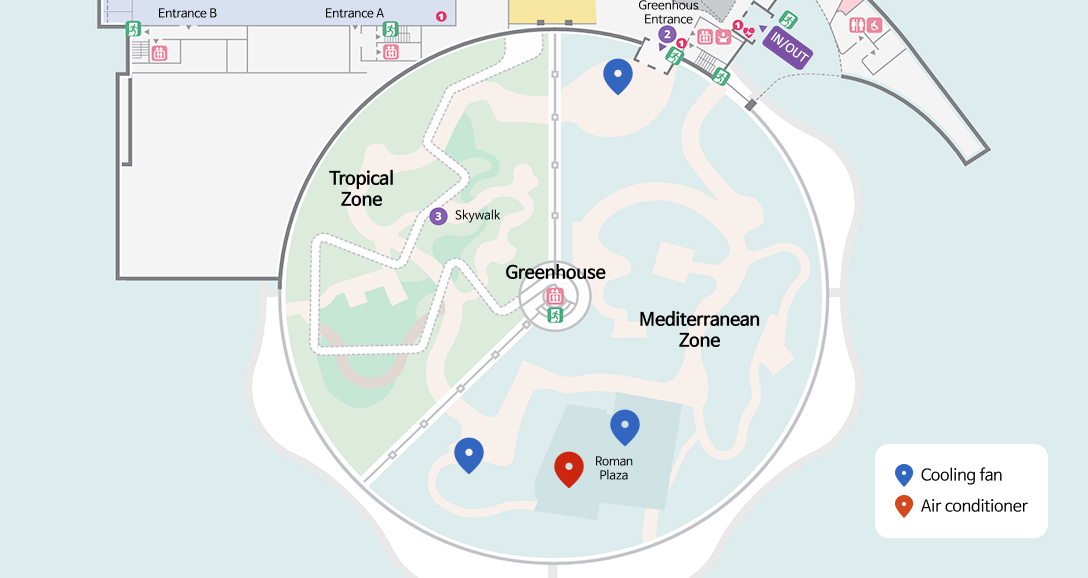
- Cooling fan: Tropical Zone Entrance, Mediterranean Zone Entrance, Roman Plaza Fountain
- Air conditioner: Roman Plaza Rest Area in Mediterranean Zone