

-
Botanic Park Information
Botanic Park Information
- Seoul Botanic Park Tour
- Announcements
-
Cultural Events/Activities
Cultural Events/Activities
- About Organization
Botanic Park Information
Seoul Botanic Park Tour
Cultural Events/Activities

Seoul Botanic Park Tour
Botanic Garden
Botanic Garden
The Botanic Garden consists of an outdoor garden that recreates a traditional Korean garden using native plants, and a greenhouse showcasing plants from 12 cities across tropical and Mediterranean regions. You can also find Children's Garden School and Magok Cultural Hall (former drainage pump station), which is designated as a Registered Cultural Heritage of Seoul Metropolitan Government.
Main Facilities
Botanic Center, Children’s Garden School, Magok Culture Hall (Drainage Pumping Station of the Former Yangcheon Irrigation Association, Seoul)
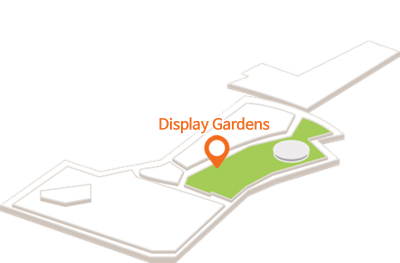

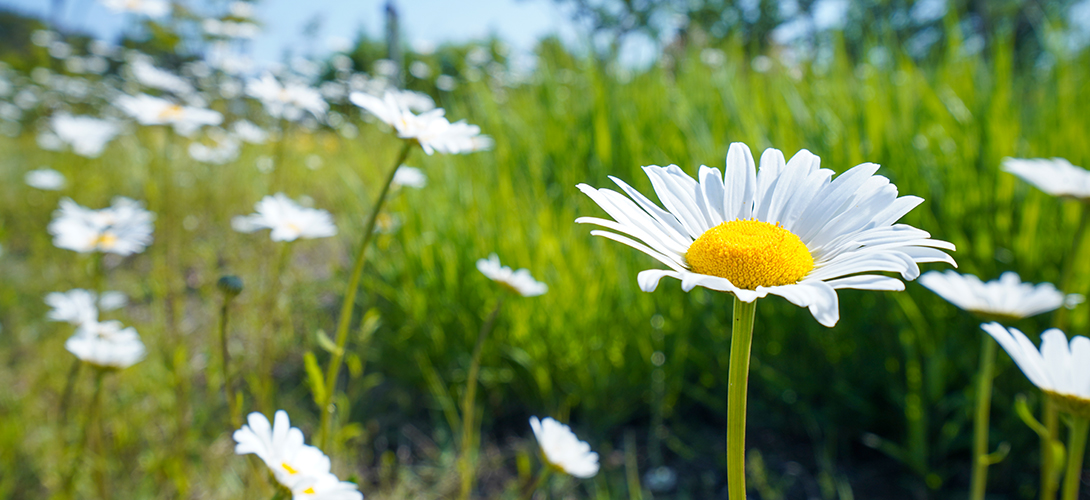
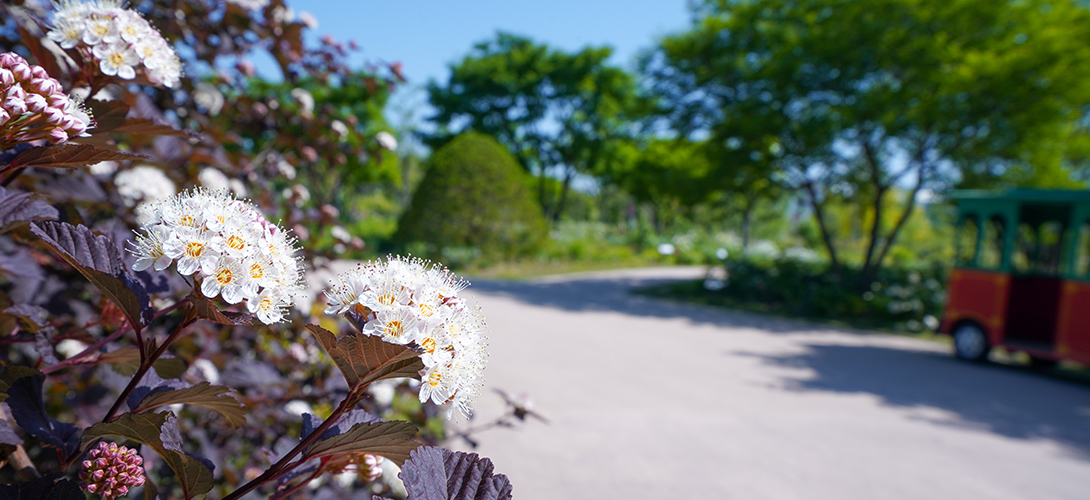

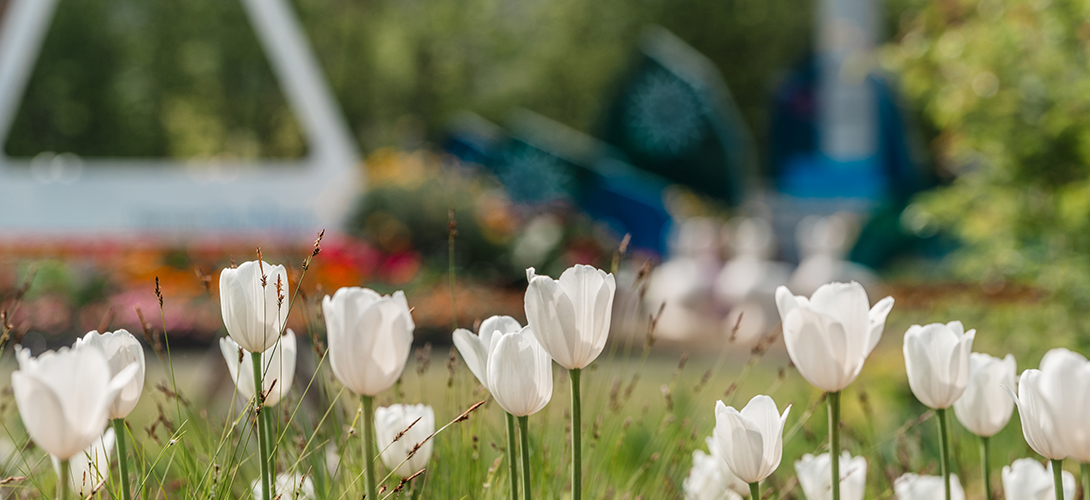


View Display Gardens Guide Map
A Journey Through Korea’s Nature and Garden Culture
A space where you can experience the past and present of Korea’s garden culture.
It features “eight themed gardens” that showcase the plants and plant culture of Korea based on the stories held within each plant.
-
 A garden that offers rest and relaxation with the exotic atmosphere created by grasses like silver grass and hairgrass.
 -
 A seasonal garden displaying plants that represent each time of the year where visitors can appreciate the beauty of blooming, maturing, and scattering.
 -
 A place for a journey into the past through plants that were once familiar but are now fading from memory.
 -
 A space to explore the Korean garden philosophy of borrowed scenery and harmonious placement of pavilions within the surrounding landscape.
 -
 A highly seasonal garden planted with representative species of spring, summer, fall, and winter, offering a strong sense of the changing seasons.
 -
 A space exhibiting medicinal plants widely used in the East and West, offering a healing experience for body and mind.
 -
 An experimental space for designers who propose new garden models, where you can discover future garden trends.
 -
 A recreation of traditional Korean forests composed of native and endemic species of the Korean Peninsula that are not widely known.